Description:
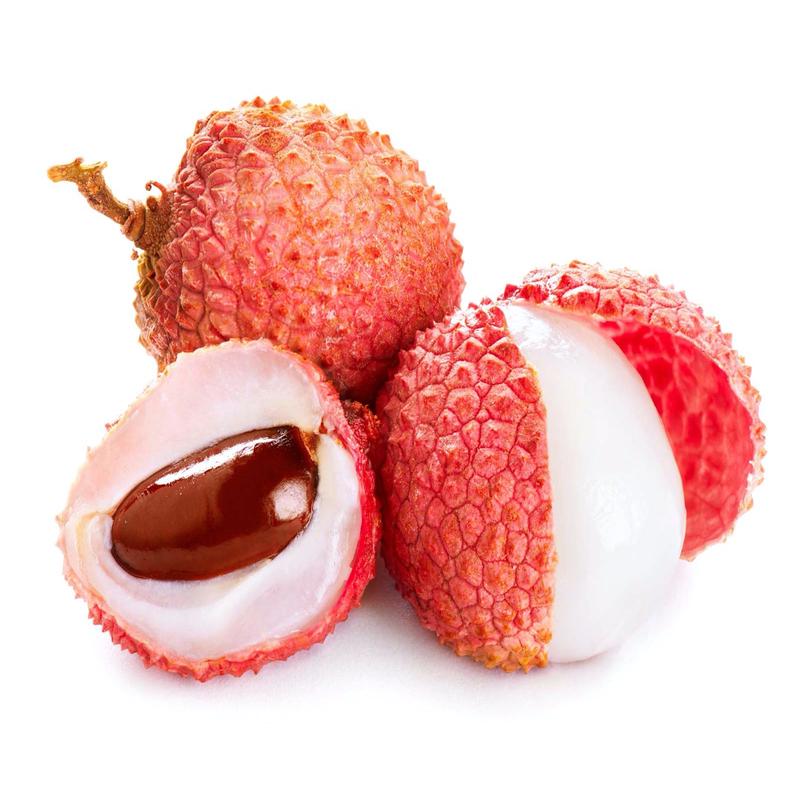
The lychee (Litchi chinensis) also known as litchi or lichee is a small tropical fruit from the soapberry family.
Other popular fruits in this family include rambutan and longan.
Lychees are grown in subtropical regions throughout the world and especially popular in their native China, as well as Southeast Asia.
Known for their sweet and flowery flavor, theyre typically eaten fresh and sometimes used in ice creams or processed into juice, wine, sherbert, and jelly.
Theyre a good source of several vitamins, minerals, and healthy antioxidants.
Lychees have an inedible, pink-red, leathery skin, which is removed before consumption. The flesh is white and surrounds a dark seed in the center.
Nutrition Facts
Lychees are mainly composed of water andcarbs which make up 82% and 16.5% of the fruit, respectively (1Trusted Source).
A 3.5-ounce (100-gram) serving of fresh lychees provides the following nutrients. The table below shows the main nutrients in fresh lychees (1Trusted Source):
- Calories:66
- Protein:0.8 grams
- Carbs:16.5 grams
- Sugar:15.2 grams
- Fiber:1.3 grams
- Fat:0.4 grams
Carbs and Fibers
Besides water, lychees are mainly composed of carbs.
A single lychee either fresh or dried contains 1.51.7 grams of carbs (1Trusted Source).
The majority of the carbs in lychees comes from sugars, which are responsible for their sweet taste. Theyre relatively low infiber.
Vitamins and Minerals
Lychees are a decent source of several vitamins and minerals, including:
- Vitamin C:The most abundant vitamin in lychees. One lychee provides around 9% of the Reference Daily Intake (RDI) forvitamin C(1Trusted Source).
- Copper:Lychees are a decent source of copper. Inadequate copper intake may have adverse effects on heart health (2Trusted Source).
- Potassium:An essential nutrient that may improveheart healthwhen eaten in sufficient amounts (3Trusted Source).
SUMMARY
Lychees are primarily composed of water and carbs, most of which are sugars. Compared to many other fruits, theyre low in fiber. Theyre also high in vitamin C and offer decent amounts of copper and potassium.
Other Plant Compounds
Like other fruits, lychees are a good source of variousantioxidantplant compounds.
In fact, they have been reported to contain higher levels of antioxidant polyphenols than several other common fruits (4Trusted Source).
Antioxidants in lychees include:
- Epicatechin:A flavonoid that may improve heart health and reduce your risk of cancer and diabetes (5Trusted Source,6Trusted Source).
- Rutin:A flavonoid which may help protect against chronic diseases, such as cancer, diabetes, and heart disease (6Trusted Source,7Trusted Source).
Oligonol
Oligonol is a dietary supplement that is often mentioned in connection to lychees.
Its a patented mixture of antioxidants (proanthocyanidins) derived from lychee skin andgreen tea, developed by the Amino Up Chemical Corporation in Japan.
The antioxidants are chemically altered to increase their uptake from your gut (8Trusted Source).
Several studies indicate that Oligonol may reduceabdominal fat, fatigue, and inflammation after exercise (9Trusted Source,10,11Trusted Source,12Trusted Source).
However, as its not found naturally in lychee fruits, its health effects dont apply to lychees.
SUMMARY
Like most fruits and vegetables, lychees are a good source of antioxidants and other healthy plant compounds. These include epicatechin and rutin. Fresh lychees dont contain any Oligonol, as is often claimed.



(0 ) Reviews:
No reviews yet. Be the first to review!